Calgary winters can be tough on vehicles. After a freezing night, you may turn your ignition key or press the start button only to hear clicking sounds or notice that the engine is struggling to turn over.
If your car won’t start in cold weather, the problem could involve a weak battery, thick engine oil, a faulty starter motor, or another component affected by low temperatures. Even a vehicle that worked perfectly the previous day can experience starting difficulties after spending hours outside in freezing conditions.
Understanding these problems can help you recognize warning signs and decide what to do next. In this guide, Mr. Torque Mobile Mechanic explains seven common causes, practical solutions, and ways to prepare your vehicle for Calgary’s winter conditions.
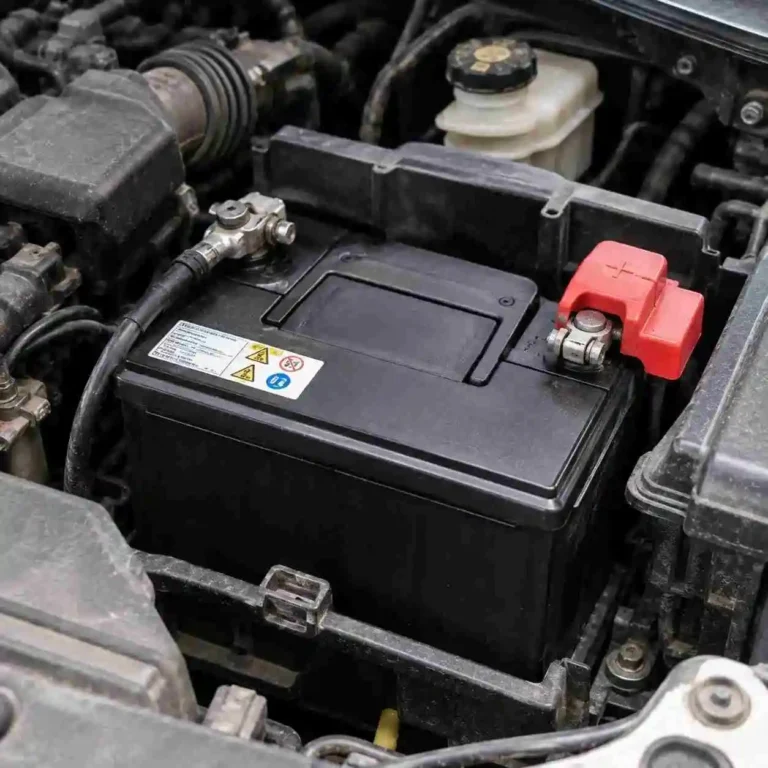
1. Weak or dead battery
A battery supplies the electrical power needed to operate the starter motor. A car won’t start in cold weather as easily when a weak battery cannot deliver enough current. Low temperatures slow the chemical reactions inside a battery and reduce the power it can deliver. That combination explains why a car won’t start in cold weather even if it worked normally the day before.
Signs: clicking when you turn the key, dim dashboard lights, slow cranking, or no electrical response.
What to do: Switch off accessories. A correct jump-start may help a discharged battery, but follow the manual and never jump-start a damaged or frozen battery. If the vehicle starts but fails again later, have the battery and charging system tested. See car battery replacement in Calgary.
2. Thick engine oil
Cold temperatures make engine oil thicker and slower to flow, increasing the effort needed to turn the engine. The wrong oil grade can worsen this. This is another reason a car won’t start in cold weather, particularly after sitting outdoors overnight.
Signs: unusually slow cranking, delayed starting, or a noticeable change between warm and cold starts.
What to do: Check the owner’s manual for the correct oil viscosity and specification. The right grade matters when a car won’t start in cold weather after an overnight freeze. Some vehicles require a particular synthetic oil grade for cold climates. Do not choose an oil solely because its label says “winter”; follow the manufacturer’s recommendation. If slow cranking continues with a healthy battery and the correct oil, have the starting system checked.
3. Faulty starter motor
The starter uses battery power to turn the engine. Worn parts, damaged wiring, or poor connections can cause failure. Cold weather may expose an existing fault.
Signs: one loud click, repeated clicks, a grinding noise, or no engine movement even when the dashboard lights work.
What to do: Have the battery tested first because a weak battery can cause similar symptoms. If a car won’t start in cold weather and the battery is healthy, the starter deserves attention. If the battery is healthy, a technician can inspect the starter, its wiring, and the starter circuit. Depending on the diagnosis, a connection repair or starter replacement may be needed. Avoid holding the ignition for long periods.
4. Fuel delivery problem
An engine needs the correct amount of fuel to start. A weak pump, restricted filter, faulty pressure regulator, or contaminated fuel can interrupt delivery. Moisture may contribute to fuel-line icing in severe conditions. If a car won’t start in cold weather but the engine cranks at a normal speed, a fuel problem is one possibility.
Signs: the engine turns over but does not fire, starts and stalls, or hesitates during startup.
What to do: Check that the tank has fuel and avoid repeated starting attempts. A mechanic can measure fuel pressure and inspect the pump, filter, and related components. This is useful when a car won’t start in cold weather despite normal cranking. Do not replace parts based on symptoms alone; proper testing helps identify the cause.
5. Worn spark plugs or ignition parts
Gasoline engines need a timed spark to ignite the air-fuel mixture. Worn plugs, failing coils, or damaged connections can interrupt it, and cold starts may reveal the fault.
Signs: cranking without starting, rough running after startup, misfires, or hesitation.
What to do: Arrange an inspection of the spark plugs, ignition coils, and wiring. These checks can help explain why a car won’t start in cold weather even when the battery is charged. Replace spark plugs according to the vehicle’s maintenance schedule. If the check-engine light is on, diagnostic testing can help locate an ignition fault.
6. Alternator or charging system fault
The alternator supplies electricity while the engine runs and recharges the battery. A charging fault can leave too little power for the next start, especially with winter accessories adding demand.
Signs: a battery warning light, dim lights, electrical problems, or a battery that repeatedly goes flat.
What to do: Have the battery, alternator output, wiring, and connections tested together. Installing a new battery will not solve the issue if the alternator is not recharging it. A car won’t start in cold weather again if the underlying charging fault remains. Learn about alternator testing and replacement in Calgary.
7. Faulty engine sensor
Engine sensors report coolant temperature, crankshaft position, and other data to the computer. Incorrect readings can affect fuel delivery or ignition timing. A car won’t start in cold weather less often because of a sensor than because of a battery, but it is possible.
Signs: difficult starts, a check-engine light, rough running, or an engine that cranks but does not fire.
What to do: A diagnostic scan can reveal stored trouble codes. It is one way to investigate why a car won’t start in cold weather when basic battery checks show no fault. A technician can then test the relevant sensor and wiring. Avoid replacing a sensor based only on a warning light or guesswork.
What to do if your car won’t start in cold weather
Try these safe checks rather than repeated attempts:
- Notice what happens. Clicking or dim lights can point to low battery power. Normal cranking without the engine firing may involve fuel, ignition, or sensors.
- Switch off accessories. Turn off lights, the radio, and the heater fan before another attempt.
- Limit starting attempts. Follow the owner’s manual and allow the starter to rest. Stop if you hear grinding, smell burning, or see smoke.
- Look for obvious damage. Do not touch a swollen, leaking, damaged, or possibly frozen battery.
- Arrange diagnosis. If the vehicle still will not start, have the battery, starter, charging system, and relevant engine systems checked.
If your car won’t start in cold weather repeatedly, arrange a proper inspection.
Prevent winter starting problems in Calgary
These steps can reduce the chance of being stranded:
- Test the battery before winter. Ask for a battery condition and starting-capacity test, especially if it is older.
- Use the specified oil. Follow the viscosity and specification in the owner’s manual.
- Check the charging system. Inspect the alternator, battery terminals, and electrical connections.
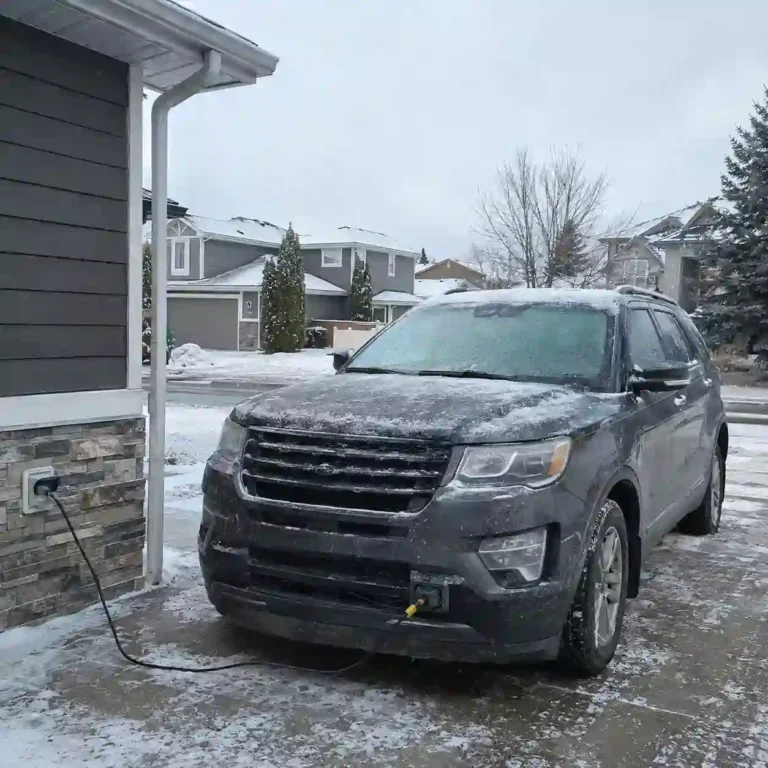
- Use a block heater when appropriate. If your vehicle has one, follow the manufacturer’s instructions. Read our guide on when to plug in your car in Calgary.
- Keep enough fuel in the tank. Avoid routinely driving with a nearly empty tank.
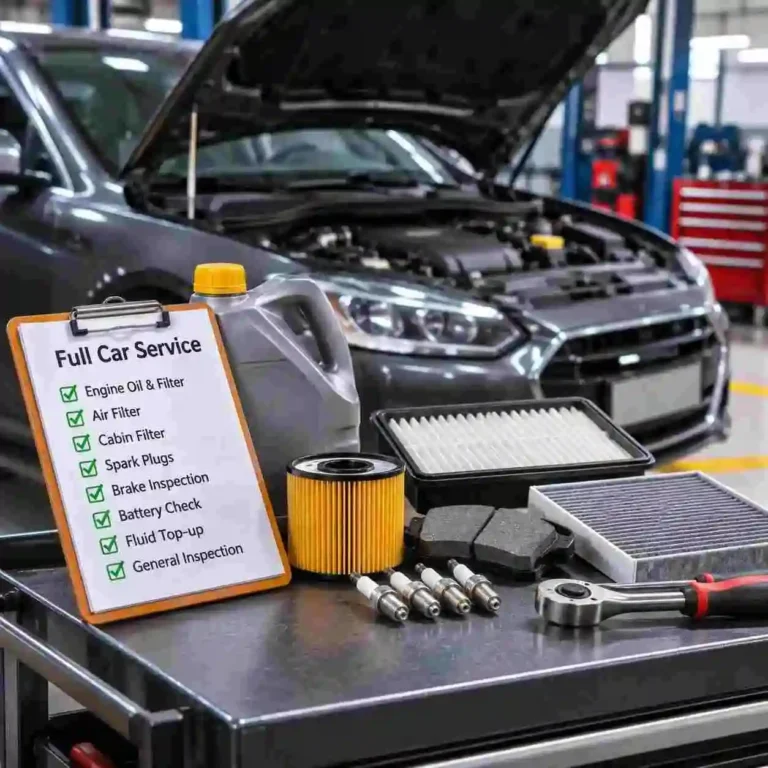
- Keep up with maintenance. Replace worn parts before they cause a breakdown.
For more seasonal advice, read winter engine troubles in Calgary and the Government of Canada’s winter vehicle preparation recommendations.
When to call a mobile mechanic
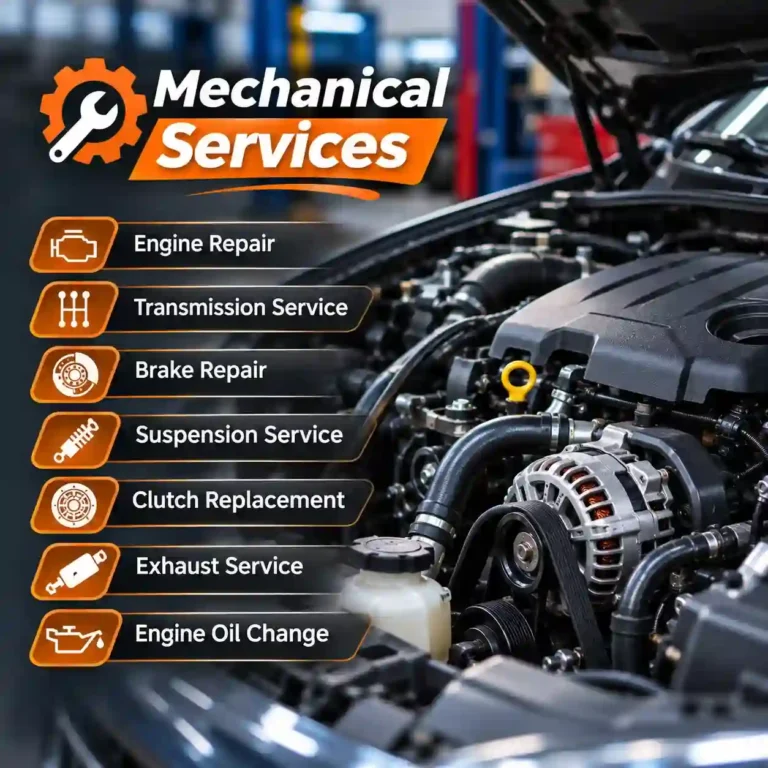
If your car won’t start in cold weather, a mobile mechanic may be able to inspect it where parked. Mr. Torque Mobile Mechanic serves Calgary with mobile repairs and diagnostics. Depending on the vehicle and fault, assistance may include battery replacement, starting-system repairs, engine diagnostics, and alternator-related work. Some problems require workshop equipment.
See the available mobile mechanic services in Calgary, learn more about Mr. Torque Mobile Mechanic, or contact the team to discuss your vehicle’s symptoms. You can also book a mobile mechanic appointment.
Frequently asked questions
Why won’t my car start in cold weather with a new battery?
A new battery does not rule out starter, alternator, wiring, fuel, ignition, or sensor faults. Have the systems tested before replacing parts.
How cold is too cold for a car battery?
There is no single cut-off temperature. Performance falls as temperatures drop, especially in older or partly discharged batteries.
Should I keep trying if my car won’t start?
No. Repeated attempts can drain the battery and overheat the starter. Follow the manual, pause between attempts, and stop if you hear unusual noises or smell burning.
Can a block heater help with cold starts?
Yes. A block heater warms the engine and reduces starting effort. Follow the manufacturer’s instructions.
Can a mobile mechanic fix a no-start problem?
Often, a mobile mechanic can test the battery and charging system and complete suitable repairs at your location. Some faults need specialist equipment or workshop repairs.
When should I get winter starting trouble checked?
Arrange an inspection for repeated slow cranking, frequent boosts, unusual noises, or warning lights.
Conclusion
A weak battery, thick oil, starter fault, fuel delivery issue, ignition problem, charging-system fault, or faulty sensor can all cause winter starting trouble. If your car won’t start in cold weather, avoid repeated attempts and get the cause checked instead of guessing.
Mr. Torque Mobile Mechanic helps Calgary drivers with suitable mobile diagnostics and repairs. Book an appointment to discuss the problem and find out whether it can be addressed at your location.